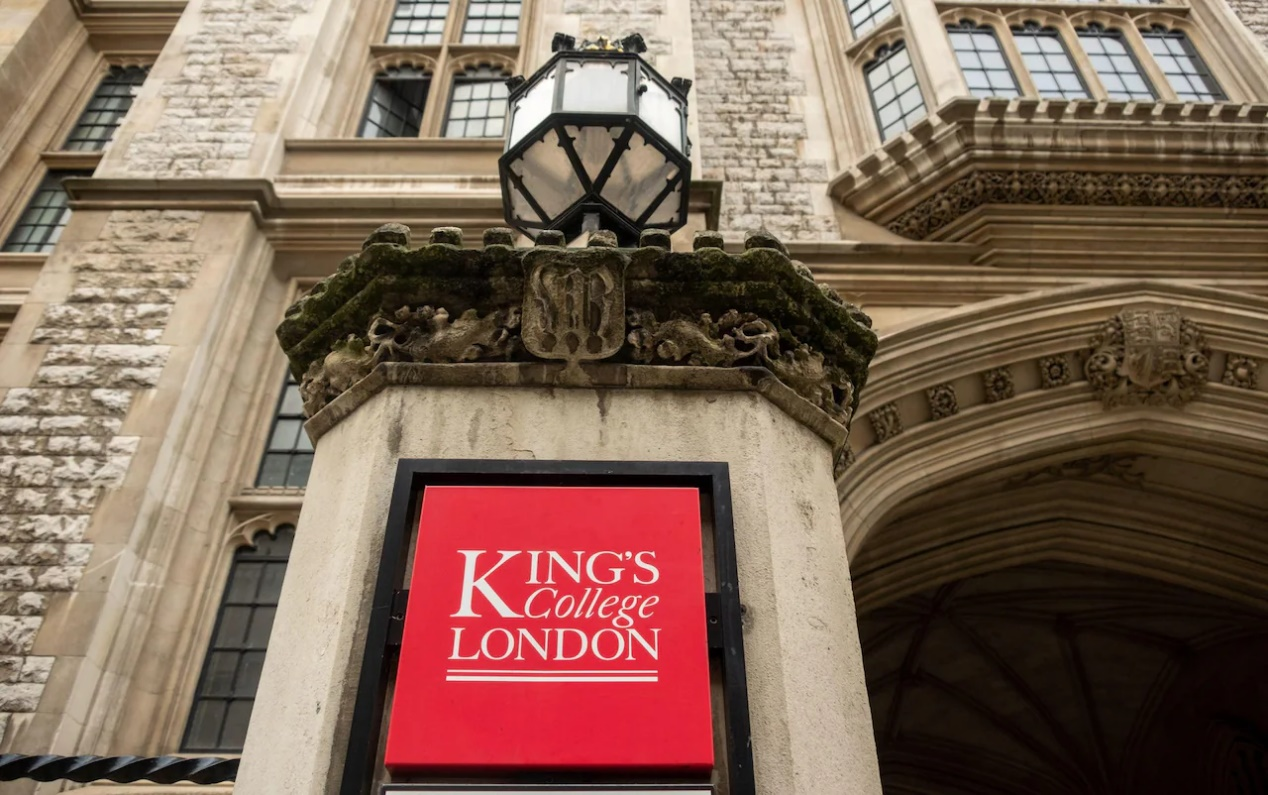
EdTech & AI in Learning: Large Language Models in Business, Politics, and Humanities
| Organizer | King’s Business School, King’s College London |
| Submission Deadline | May 14, 2026 |
| Notification of Acceptance | 7-20 workdays |
| Submission Email | [email protected] |
| Registration Fees | USD 450 (6 pages included) |
| Additional Page | USD 40/extra page |
| Download | Manuscript Template |
Background
Artificial intelligence has moved from the periphery of educational technology to its very centre. Large Language Models now shape how students read, write, code, argue, and synthesise information. The question for higher education is no longer whether these tools will be used, but whether their use will be disciplined, transparent, and pedagogically productive rather than chaotic and corrosive.
Business education is already grappling with LLM-assisted analysis, drafting, and decision support. Politics faces a more delicate problem: tools that can generate persuasive rhetoric at scale raise concerns around epistemic authority, democratic deliberation, and misinformation. In the humanities, where interpretation and authorship are foundational, LLMs challenge long-held assumptions about originality, voice, and assessment. Treating these domains separately is convenient but intellectually lazy. The common thread is human capital formation under a new technological constraint.
This symposium is designed to take that constraint seriously. It will move beyond generic discussions of “AI in education” and focus instead on how LLMs alter learning objectives, assessment design, and skill formation across disciplines that rely heavily on language, reasoning, and judgement. The aim is neither celebration nor panic, but institutional realism.
Goal/Rationale
The symposium has four core objectives:
- To map current and emerging uses of LLM tools in teaching and learning across business, politics, and the humanities, distinguishing superficial productivity gains from genuine learning enhancement.
- To evaluate pedagogical risks, including over-automation, erosion of critical thinking, assessment inflation, and the redistribution of effort away from foundational skills.
- To develop discipline-sensitive frameworks for integrating LLMs into curricula, assessment, and classroom practice without undermining academic standards.
- To foster cross-disciplinary dialogue between educators who are often confronting the same problems in isolation, using different vocabularies.
Scope
Contributors and participants will be invited to engage with the following themes:
- LLMs as cognitive complements or substitutes: when do these tools enhance reasoning, and when do they merely mask its absence?
- Assessment design in the age of generative text: oral examinations, process-based assessment, reflective audits, and in-class constraints.
- Business education and applied reasoning: LLMs in case analysis, financial interpretation, strategic writing, and managerial decision-making.
- Politics, rhetoric, and power: implications for political literacy, persuasion, policy analysis, and the ethics of AI-assisted argumentation.
- Humanities, authorship, and interpretation: originality, close reading, historiography, and the changing meaning of scholarly voice.
- Equity and access: whether LLMs level the playing field or entrench new forms of advantage.
- Institutional policy and governance: from acceptable-use guidelines to staff training and student disclosure norms.
The emphasis will be on concrete teaching practices and empirical or reflective evidence, not speculative futurism.
Publication
| Proceeding Title | Lecture Notes in Education Psychology and Public Media (LNEP) |
| Press | EWA Publishing, United Kingdom |
| ISSN | 2753-7048/2753-7056 (electronic) |
Accepted papers of the symposium will be published in Lecture Notes in Education Psychology and Public Media (Print ISSN 2753-7048), and will be submitted to Conference Proceedings Citation Index (CPCI), Crossref, CNKI, Portico, Google Scholar and other databases for indexing. The situation may be affected by factors among databases like processing time, workflow, policy, etc.
The papers will be exported to production and publication on a regular basis. Early-registered papers are expected to be published online earlier.
This symposium is organized by ICGPSH 2026 and it will independently proceed the submission and publication process


Highlights
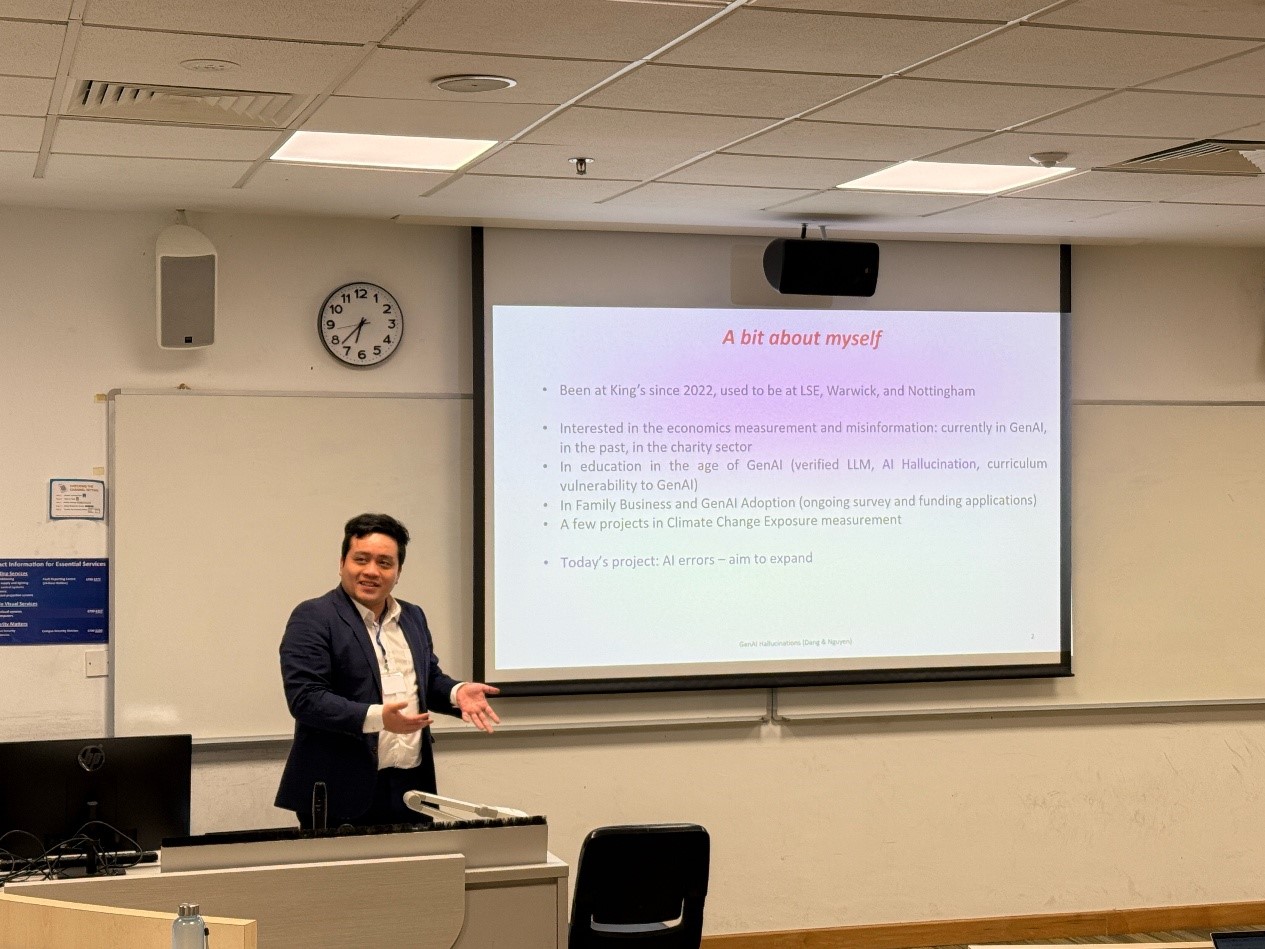
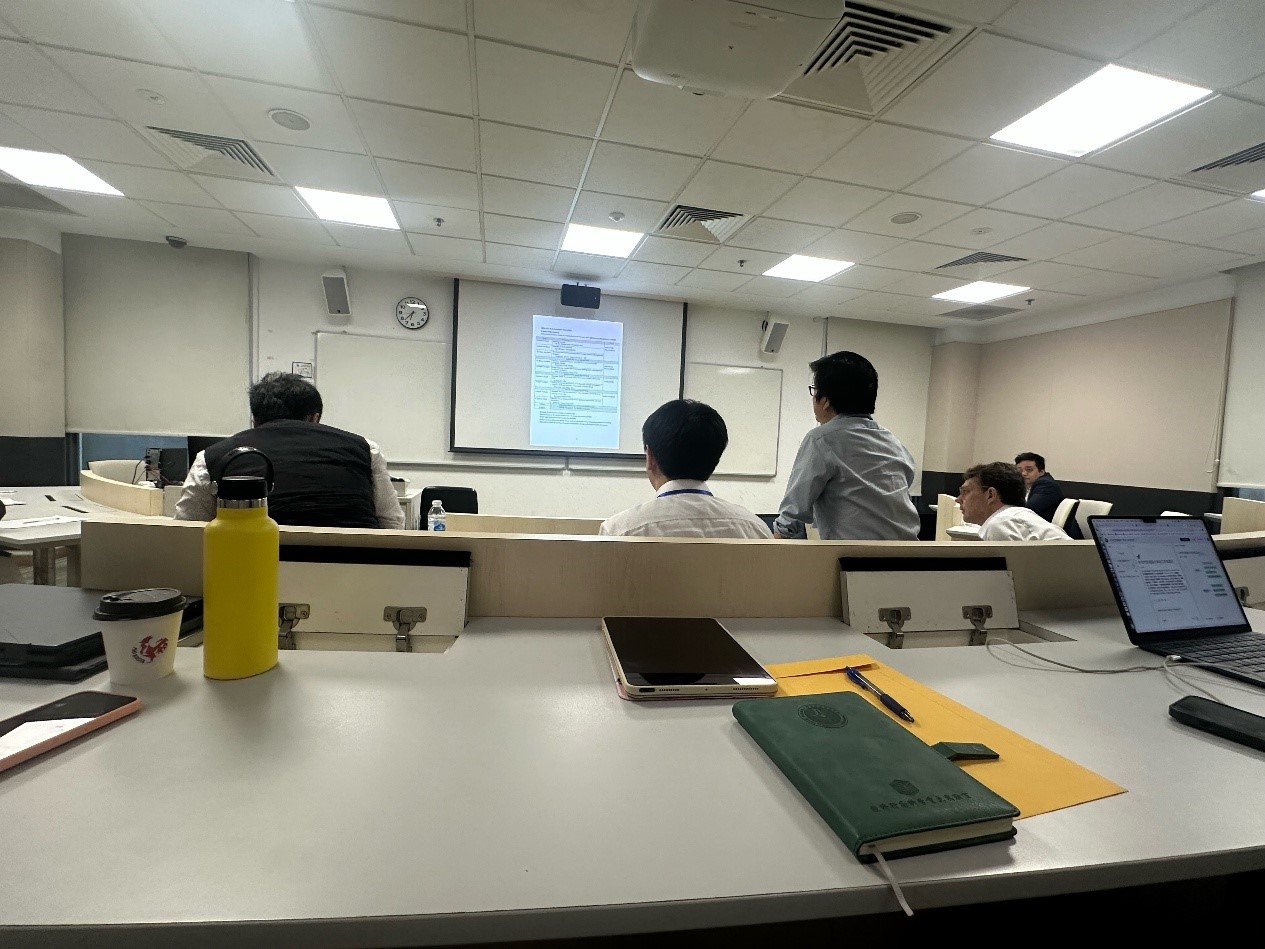
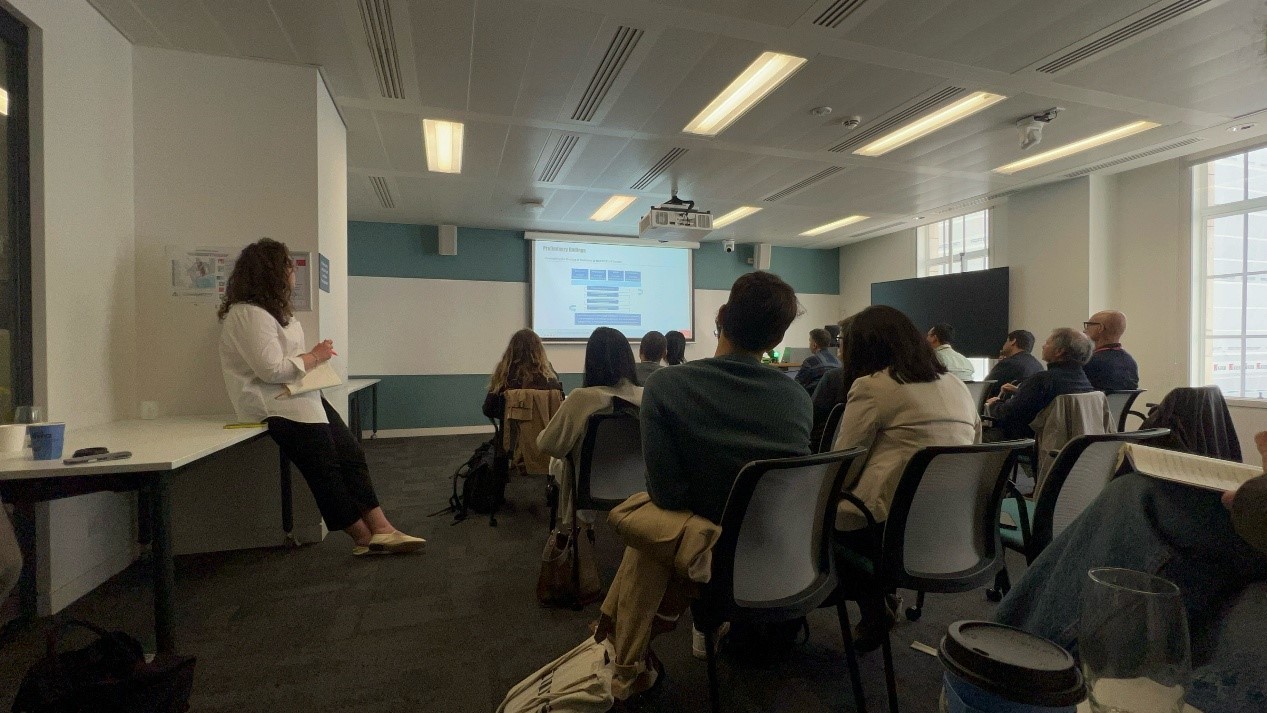
The EdTech & AI symposium was organised in collaboration with King’s Business School PhD students and was embedded within a KBS Research Day, which ensured strong engagement and excellent attendance throughout. The symposium was structured into two consecutive sessions.
The EdTech & AI symposium was organised in collaboration with King’s Business School PhD students and was embedded within a KBS Research Day, which ensured strong engagement and excellent attendance throughout. The symposium was structured into two consecutive sessions.
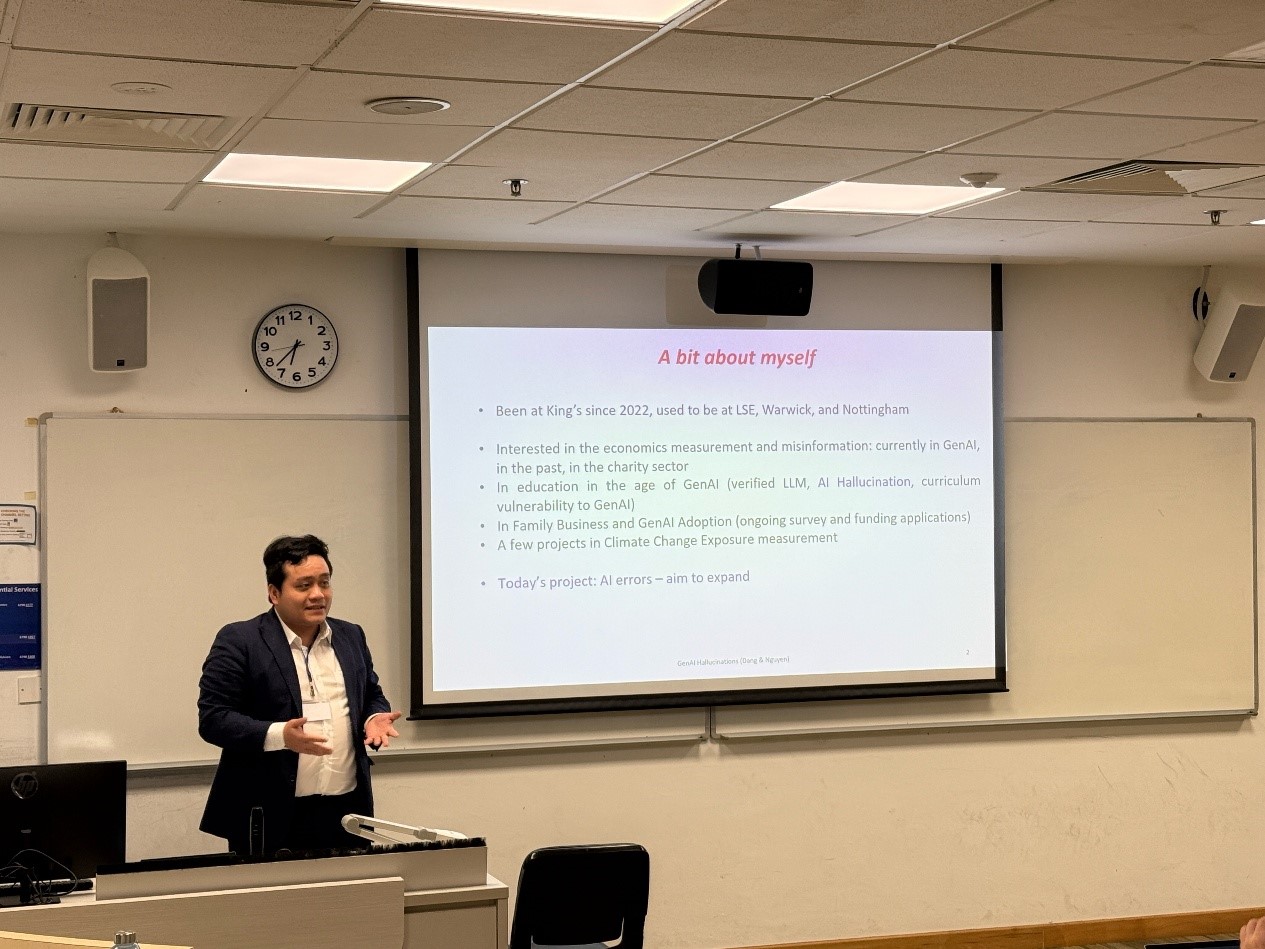
The second session centred on a keynote delivered by Dr Dang, focusing on the use of Generative AI and Large Language Model tools in Economics education. This session generated lively discussion, with active participation from both PhD students and academic staff, and highlighted strong cross‑disciplinary interest in the responsible and effective use of AI in higher education.
Overall, the symposium was very well attended and benefited substantially from its integration into the wider KBS research programme, fostering rich dialogue on EdTech and AI across disciplines.
Access to Symposium: ICGPSH 2026 Symposium -- London - YouTube