Global Governance, Digital Politics, and the Transformation of Public Policy Systems
| Organizer | Research Center for Science, Technology, and Industrial Culture, Zhejiang University |
| Submission Deadline | July 4, 2026 |
| Notification of Acceptance | 7-20 workdays |
| Submission Email | [email protected] |
| Registration Fees | USD 450 (6 pages included) |
| Additional Page | USD 40/extra page |
| Download | Manuscript Template |
Background
This symposium, convened as part of the 4th International Conference on Global Politics and Socio-Humanities (ICGPSH 2026), examines the digital transformation of global governance and public policy. Global governance and public policy systems are undergoing profound transformation in the digital era. The rapid expansion of digital technologies—including artificial intelligence, big data analytics, digital platforms, and algorithmic decision-making—has reshaped political communication, institutional coordination, and policy implementation across national and transnational contexts. Digital politics increasingly influences public opinion formation, regulatory frameworks, and the interaction between governments, private actors, and civil society. At the same time, global challenges such as climate change, public health crises, migration, and cybersecurity require coordinated governance mechanisms that transcend national boundaries. These developments call for renewed theoretical and empirical inquiry into how digitalization is redefining governance structures, power relations, accountability mechanisms, and policy effectiveness within complex global systems.
Goal/Rationale
This symposium aims to examine how digital transformation is reshaping global governance structures and public policy systems. While digital technologies offer opportunities for transparency, participation, and data-driven policymaking, they also introduce new challenges related to misinformation, digital inequality, regulatory fragmentation, and algorithmic bias. The symposium seeks to address the tension between innovation and regulation, as well as the evolving relationship between state actors, international organizations, technology corporations, and citizens.
Recent advances in digital governance frameworks, platform regulation, cross-border data governance, and smart policy design provide new tools for addressing these challenges. However, significant gaps remain in understanding the institutional, normative, and political implications of digital transformation. By bringing together scholars from political science, public policy, international relations, law, and digital studies, this symposium aims to foster interdisciplinary dialogue, identify emerging research agendas, and explore strategies for building resilient, inclusive, and accountable governance systems in the digital age.
Scope
This symposium welcomes theoretical, empirical, and comparative studies addressing the intersection of global governance, digital politics, and public policy transformation. Relevant themes include digital statecraft and international cooperation; platform governance and regulation; data governance and digital sovereignty; AI and algorithmic policymaking; cybersecurity and global norms; digital participation and civic engagement; policy innovation and regulatory reform; and the impact of digital technologies on public administration and institutional design.
Contributions may adopt qualitative, quantitative, or mixed-method approaches and may focus on regional, national, or transnational contexts. Interdisciplinary perspectives are particularly encouraged. The symposium seeks to generate constructive dialogue on how public policy systems can adapt to digital transformation while maintaining democratic accountability, social equity, and effective global coordination.
Publication
| Proceeding Title | Lecture Notes in Education Psychology and Public Media (LNEP) |
| Press | EWA Publishing, United Kingdom |
| ISSN | 2753-7048/2753-7056 (electronic) |
Accepted papers of the symposium will be published in Lecture Notes in Education Psychology and Public Media (Print ISSN 2753-7048), and will be submitted to Conference Proceedings Citation Index (CPCI), Crossref, CNKI, Portico, Google Scholar and other databases for indexing. The situation may be affected by factors among databases like processing time, workflow, policy, etc.
The papers will be exported to production and publication on a regular basis. Early-registered papers are expected to be published online earlier.
This symposium is organized by ICGPSH 2026 and it will independently proceed the submission and publication process


Highlights
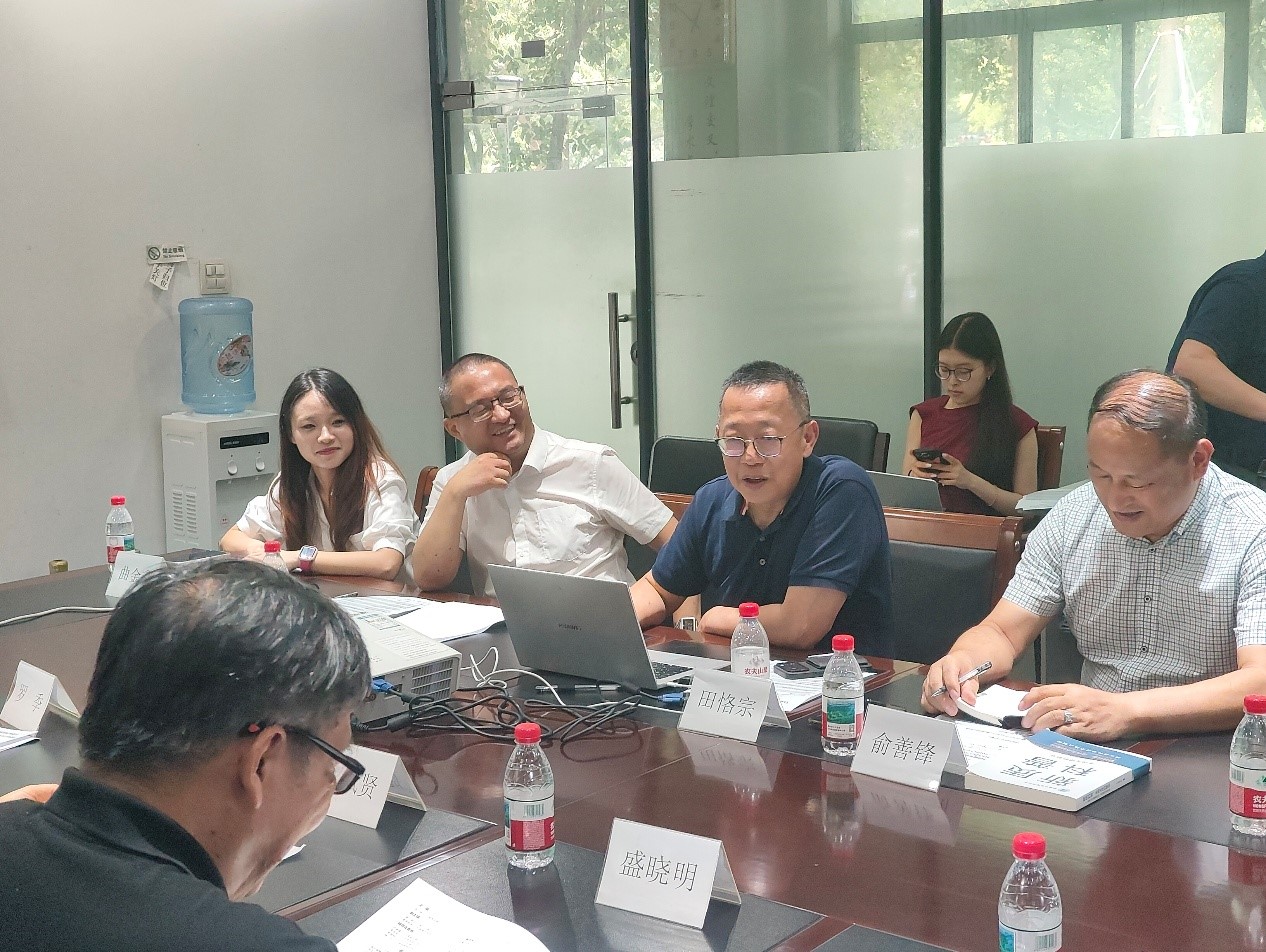
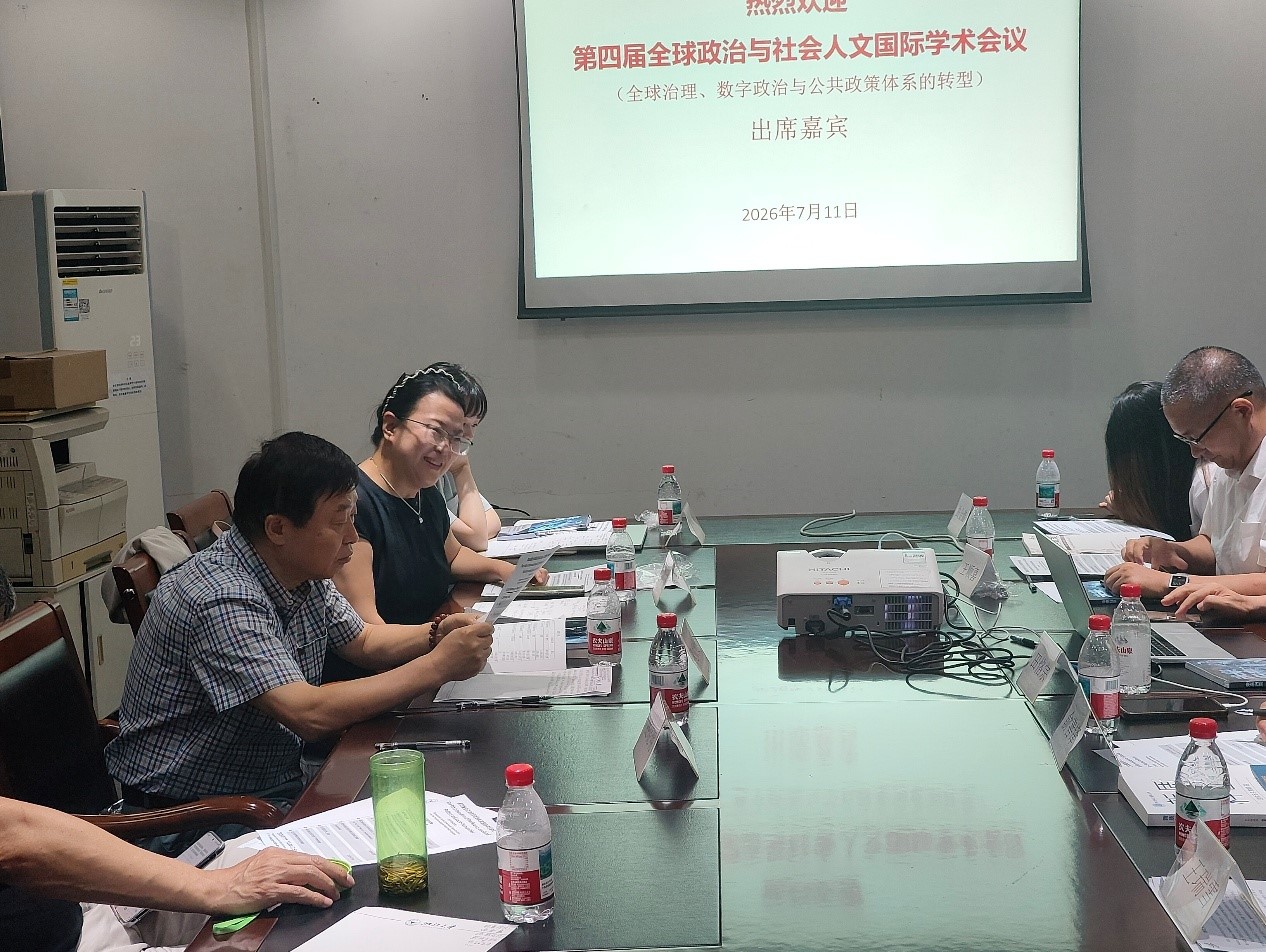
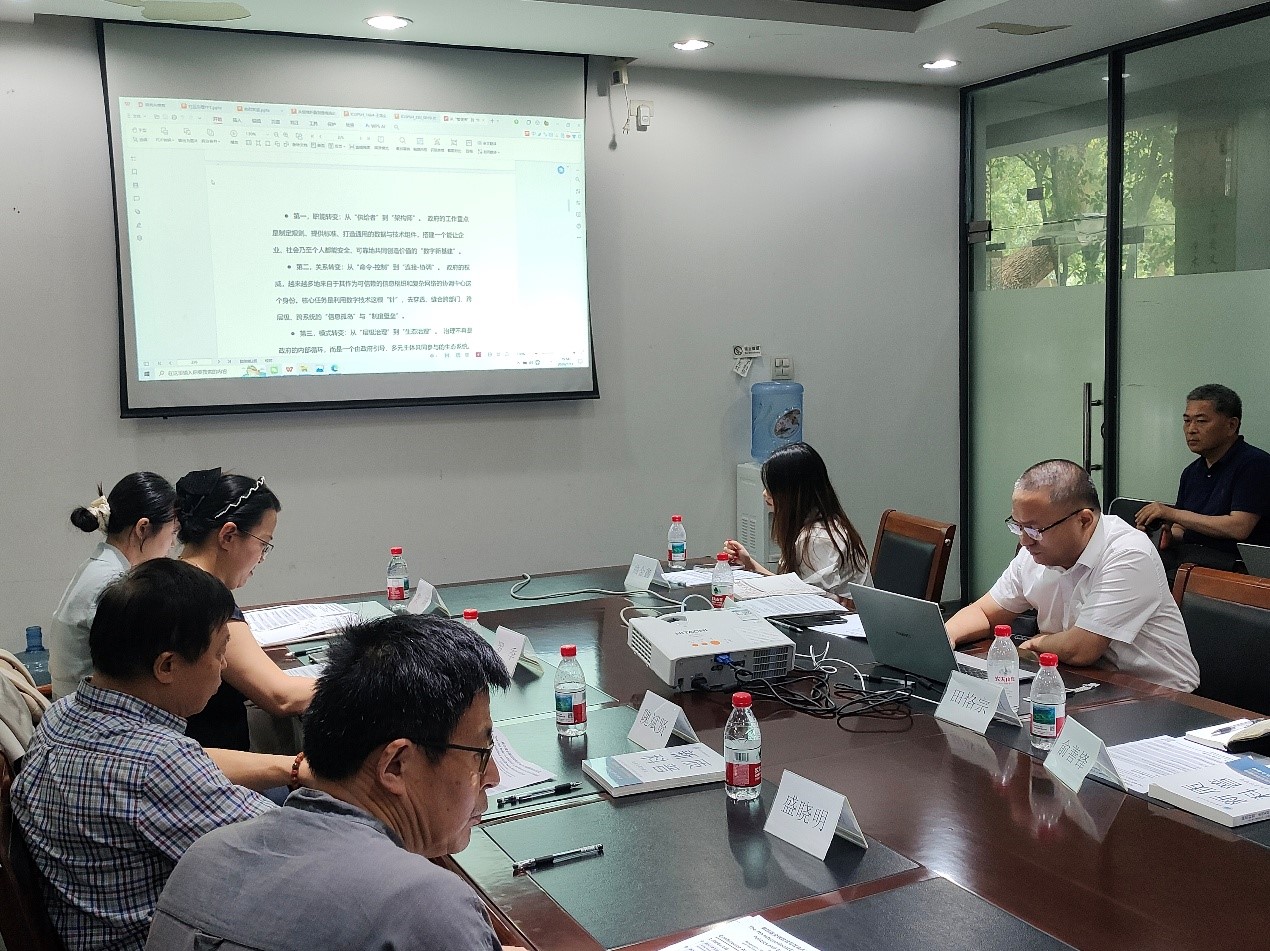
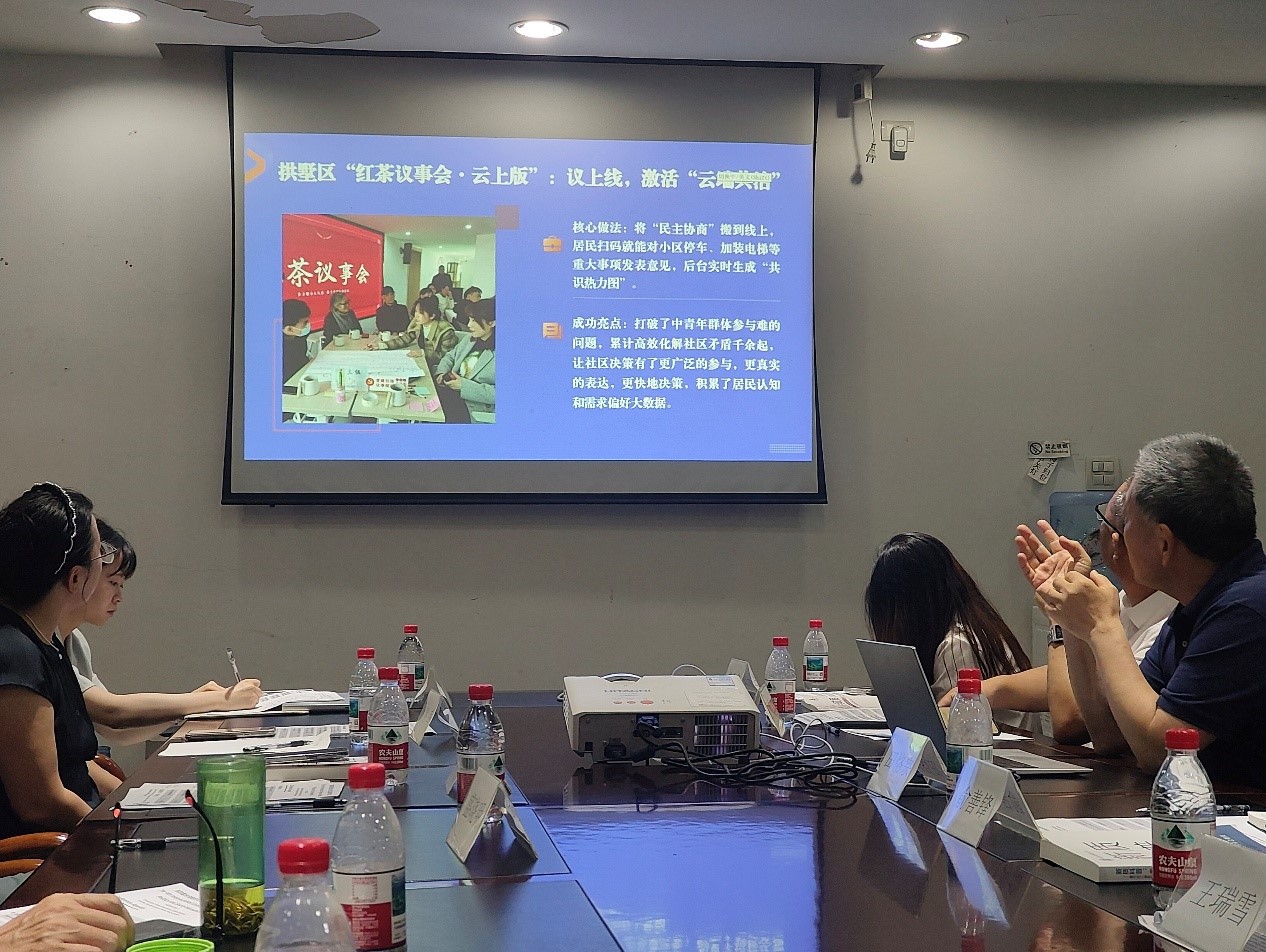
The symposium "Global Governance, Digital Politics, and the Transformation of Public Policy Systems" provided an interdisciplinary platform for exploring how digital technologies are reshaping governance, public policy, and social development. Bringing together researchers and practitioners from diverse academic and professional backgrounds, the symposium fostered meaningful dialogue on the opportunities and challenges of digital transformation in contemporary governance.
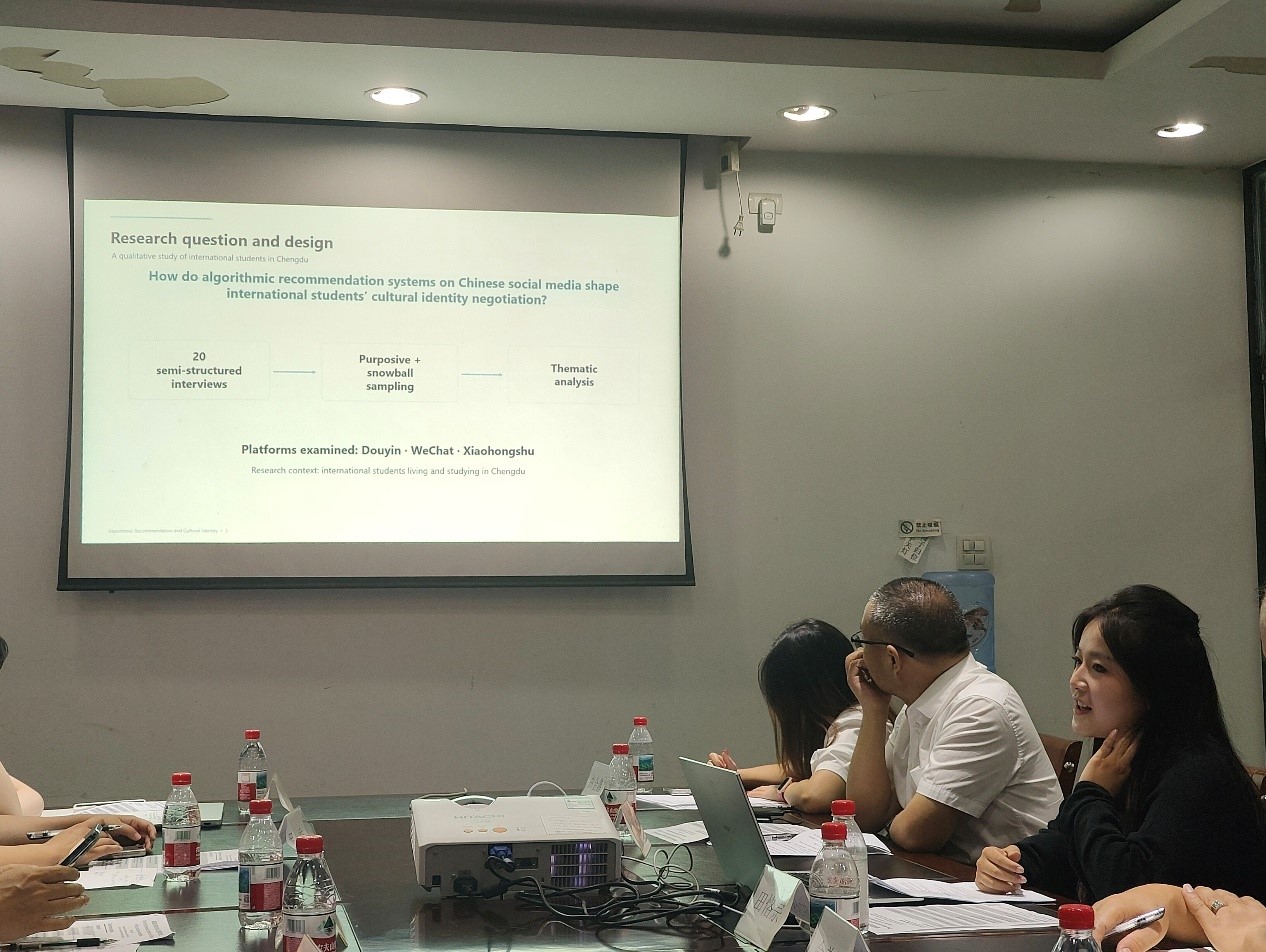
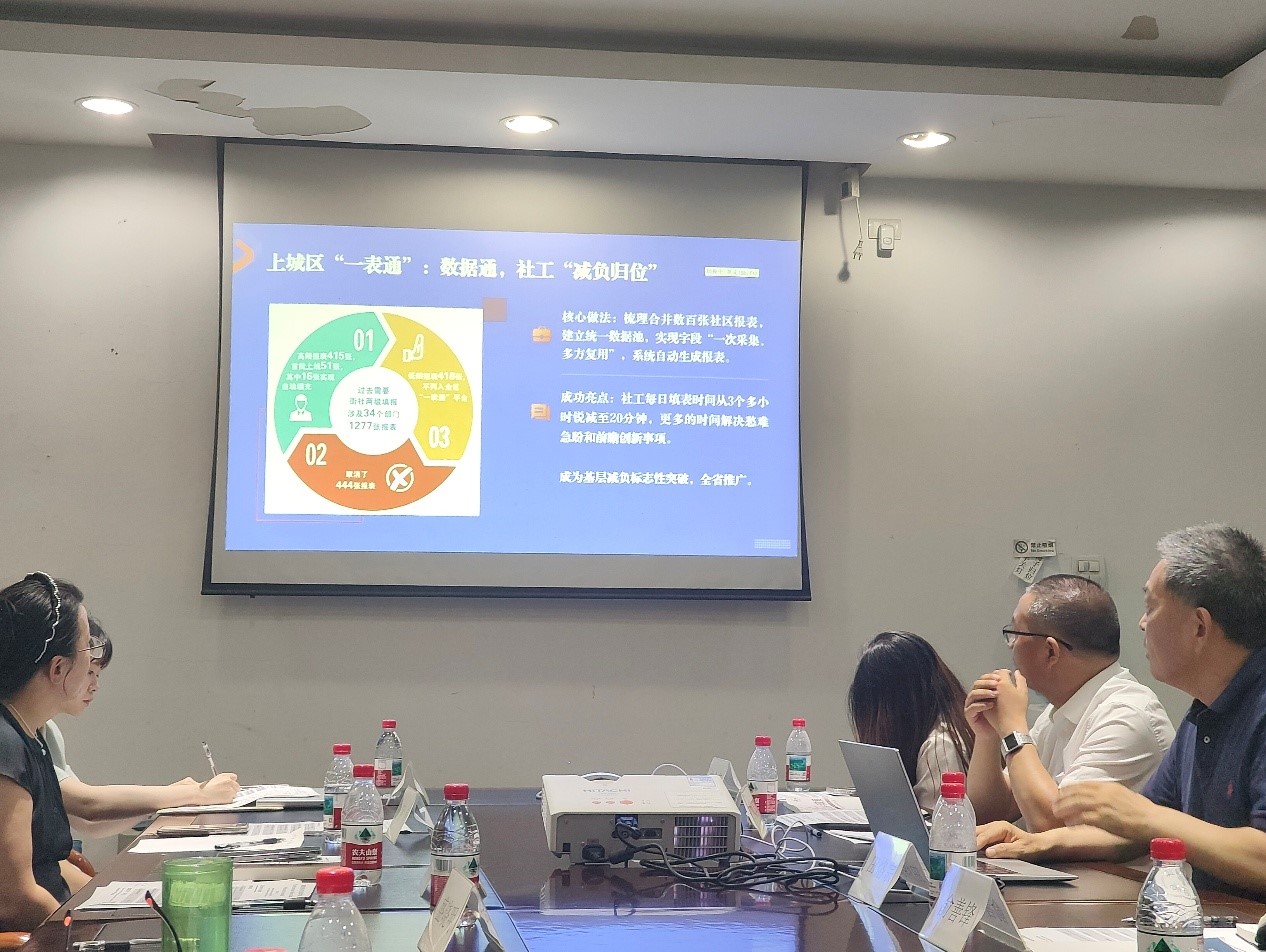
The presentations addressed a broad range of timely topics, including digital communication and social relationships, algorithmic recommendation and cultural identity, philosophical perspectives on methodology, the development of China's independent knowledge system, digital government transformation, technology-enabled public governance, intelligent community development, and data-driven approaches to policy implementation. By integrating theoretical analysis with empirical research and practical case studies, the symposium demonstrated the growing convergence of political science, sociology, communication, and digital technologies in addressing complex governance issues.
The interactive discussion encouraged participants to exchange perspectives on digital political research, platform governance, and public policy evaluation, promoting interdisciplinary collaboration and generating new insights into the future of digital governance and public administration.